
I may be away,
but my thoughts lie down with you,
my beloved one.
I may be away,
but my thoughts lie down with you,
my beloved one.
I must turn away
All the suffering I see.
I cannot bear it.

If not for football
Or the women I have loved
I’d hardly know pain.

LUMBERJACK LOVE
Though I am not a hirsute man nor burly,
I love you with a lumberjack-type love.
The only axe I take in hand securely,
This meager pen across the page I shove.
Please treat me not so fickle nor so surly,
Don’t shield your limbs below nor lips above.
I aim to fell you skillfully and purely;
Each word’s to chip the bark around your love.
FALLING LEAVES LIKE LOVERS
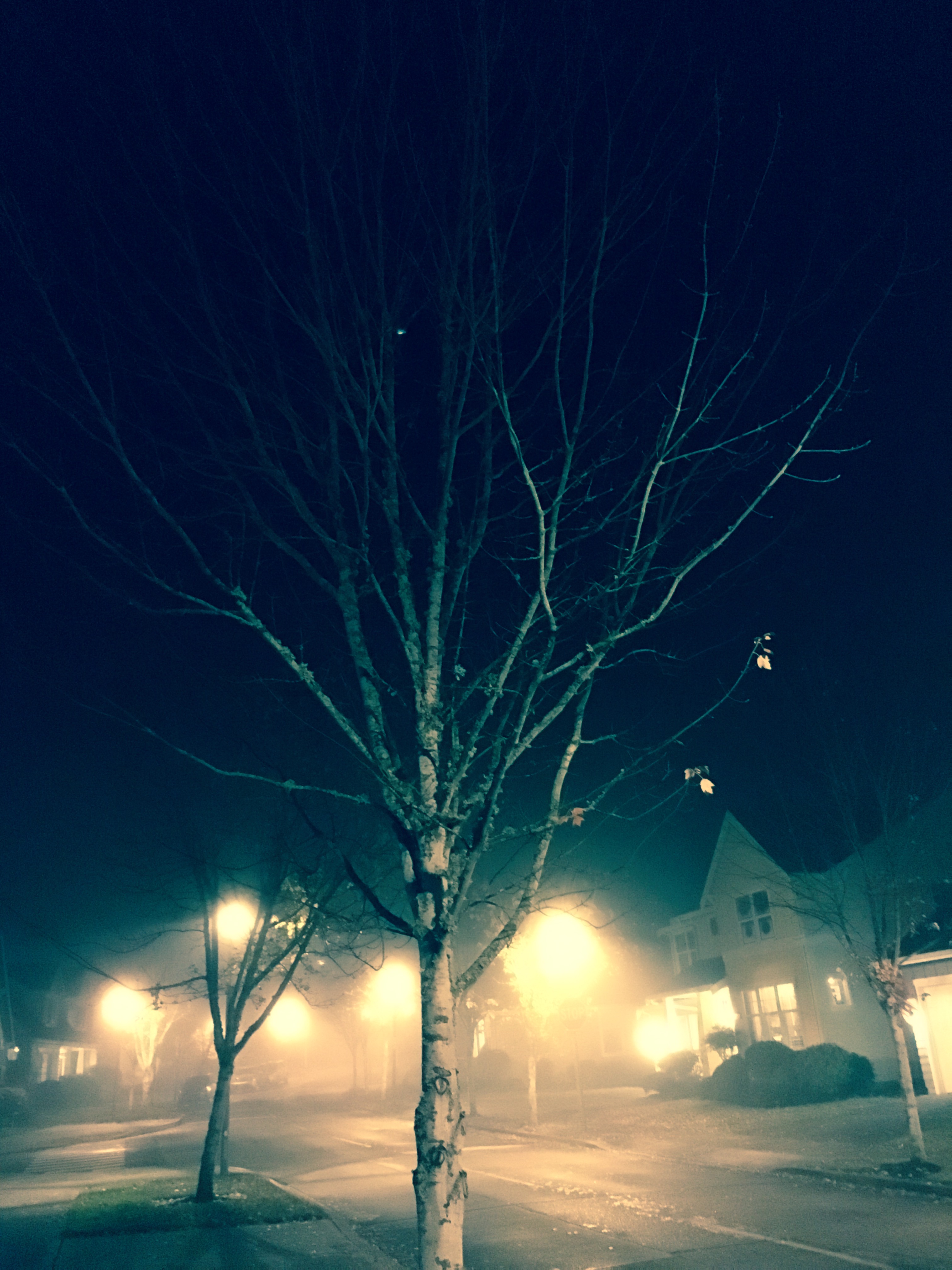
The leaves, the leaves are gone except the oak,
Which cling to trees and rattle needlessly.
The others flame and fall for all to see.
They streak and sizzle, leaving only smoke.
But oak leaves hang as by some unseen yoke,
All browned and curled awaiting sympathy,
Or sap to course and lend vitality —
The leaves cannot perceive the sorry joke.
For spring will end the lie and they will drop,
To drift and rot and turn in time to dust.
As sure as buds will burst to make a crop
Of new, the old will flutter down — they must.
The falling leaves like lovers never stop.
It’s hardly gentle, but ’tis just, ’tis just.
Late Summer’s Sun
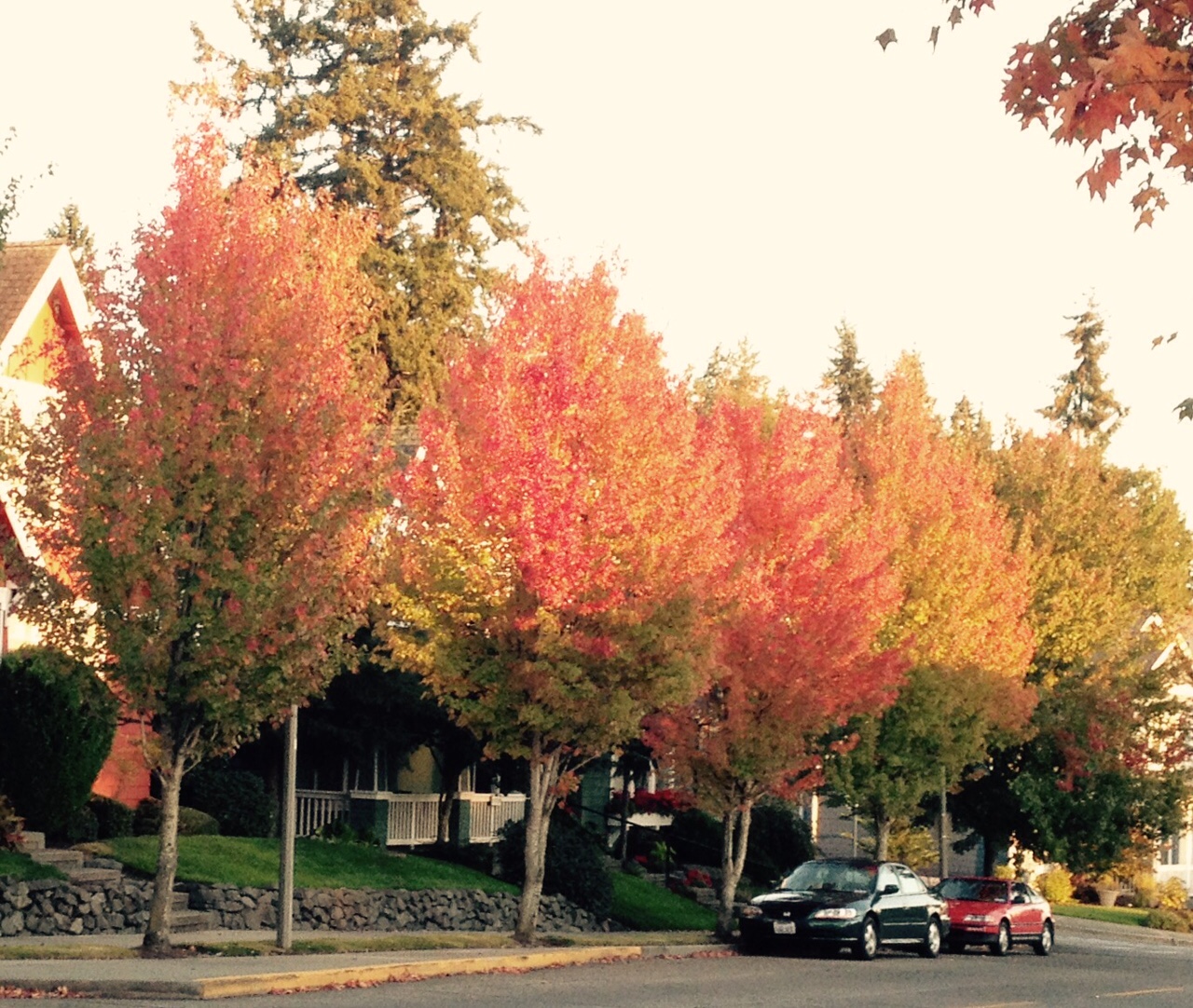
Late summer’s sun has baked the grass to brown.
The days grow shorter with each passing day,
Soon, autumn’s chill will make the leaves fall down.
All of this aching beauty will decay.
And yet I love the shadows’ slanting trace,
The once green grain gone golden in its rows,
And how I love the lines etched in your face.
It’s funny, as love ripens how it grows.
The number of our days we do not know.
No sleeper knows if he will ever wake.
So come, let’s join above, between, below.
My dear, let’s cause our fragile clay to quake.
Let us make love as if it’s our last go.
Let us embrace like dawn will never break.

My friend with no arms
Got married. Must have needed
Another challenge.
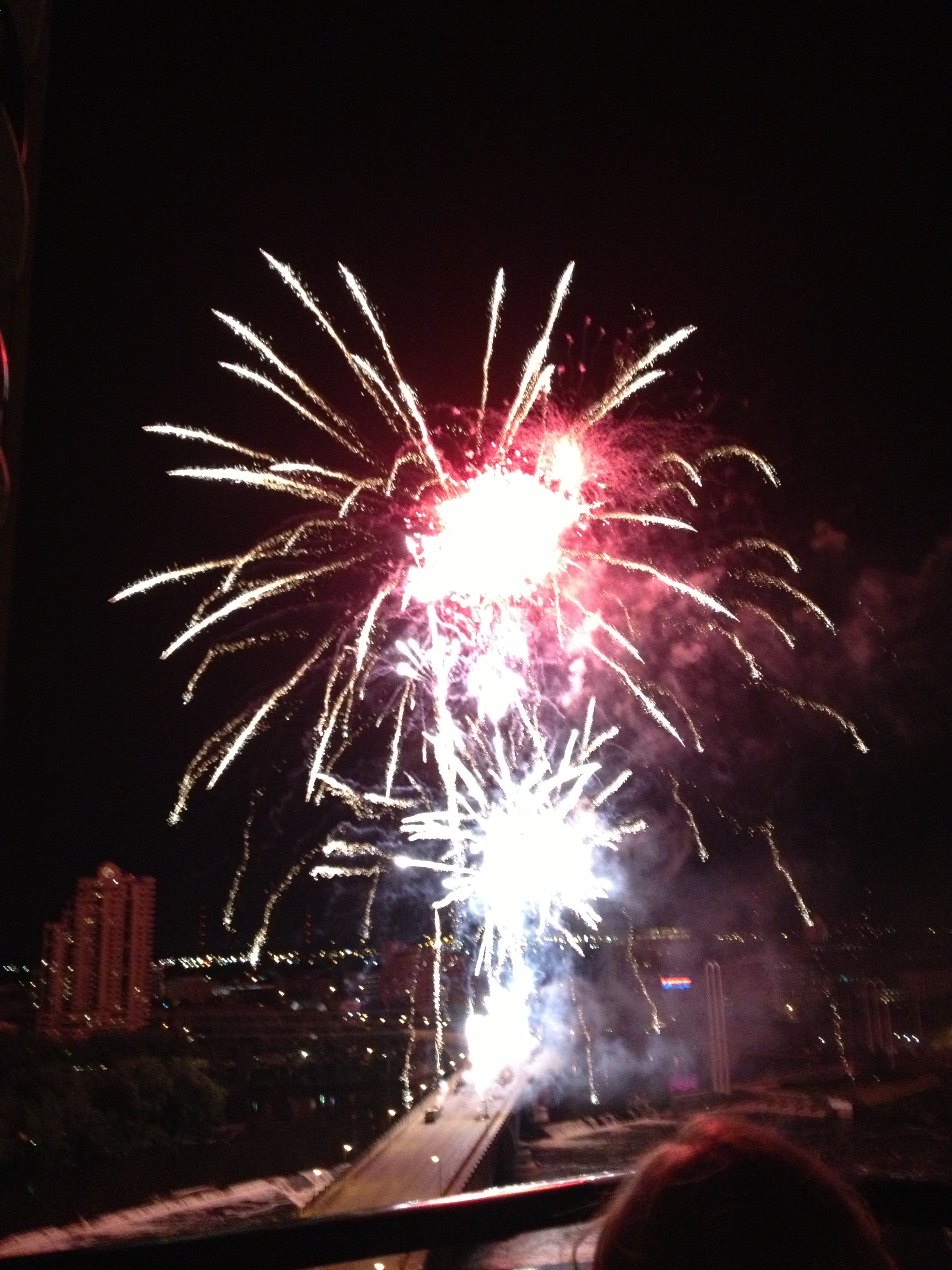
The Fourth of July has special meaning for me.
Of course, it represents the founding of the my country, which has been a remarkable blessing to he world. Although America has not always lived up to its ideals, those ideals make it unique among nations.
And those ideals have made it a magnet for untold millions who seek freedom and opportunity.
I still get a little lump in my throat and a tear in my eye when I hear the national anthem or “America the Beautiful.”
But, for me, the Fourth holds personal significance. That’s because it marks the anniversary of my certainty that I had found the love of my life.
It goes back many, many years ago to a particular Fourth of July night in Minneapolis.
INDEPENDENCE DAY
The wind and you played in my hair,
You lambent in the moon,
The night arranged as by design,
Mysteriously boon.
Afresh the breeze and warm our hands,
So lately introduced,
Traced so gently new found lands,
From tyranny aloosed.
While all around with fire and bang
Our freedom was proclaimed,
A nation’s liberty was meant,
To us, two hearts unchained.

Today is my wife’s birthday, so I’m giving her a little poem.
What I miss most …
What I miss most when I’m away
Are the small shared jokes, the spoken and unspoken
Tokens of affection, the markers of our common history.
Like whenever you can’t find some misplaced thing
And I say, “It must be with your credit card,”
Which you lose like clockwork once a week
And then miraculously find again after a couple of days.
Or when all I have to do is ask, “You awake?”
To get a chuckle from you remembering
That old joke about Swedish foreplay,
Which leads to the joke about Scottish foreplay
And one of us saying, in a really bad accent,
“Brace yourself, Lassie!”
And then there’s that good old standby, “Want a backrub?”
That holds the promise of so much more.
Then there’s the way you have of so badly mangling
Ordinary, everyday sayings so as to make them
Almost unrecognizable, yet which make sense
In some altogether new, mysterious way.
How can I be jealous when you see some actor on TV,
And offer your careful, studied opinion,
“I wouldn’t kick HIM out of bed with a ten-foot pole.”
Or even though you may be mad at me
How can I do anything but laugh
When you stand there hands on hips and scold,
“You don’t listen to me two hoots!”
And I had no idea what you were talking about
When you said, “It was spreading like hotcakes!”
But I knew, whatever it was, it was going to be a big deal.
And of course, I had to just stop and marvel
When you described some half-baked effort of mine as
“Just a dent in the iceberg,”
And I didn’t even care that I knew I had a lot more work to do.
And it’s funny how our daughter seems to have inherited
Your gift of mixing words to make brand new verbal gems,
Or, as she so aptly put it just the other day,
“The spawn doesn’t fall too far from the tree.”
And there’s the way we can order dinner for each other
And just about always pick the right thing … because we just know.
Or the sound as you talk on the phone to some girlfriend
And I don’t even care what is being said on the other end
As long as I can eavesdrop on the music of your voice.
Or the way you propose some outrageous adventure
And then shortly thereafter change your mind,
Just to, I can only suppose, keep me on my toes.
“Never a dull moment,” is how I describe my life with you,
And, really, can there be a better endorsement?
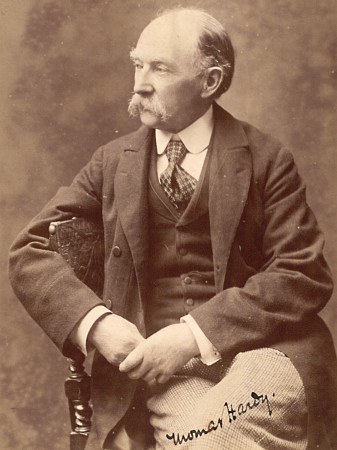
I’ve been getting a lot of suggestions about poems and poets to feature in this blog. Thank you all. I’ve discovered some great poetry and rediscovered some that I had failed to appreciate earlier.
The latest is “Neutral Tones” by Thomas Hardy. This recommendation comes from someone who seems to be somewhat of a Hardy fan. You know who you are.
“Neutral Tones” is definitely well crafted, but is it ever a sad and depressing poem!
Hardy is writing about a remembered meeting of lovers that spelled the imminent end of their relationship. As the couple stands by a pond in winter, it becomes increasingly certain that the love is dead. It is as if the whole world, the pond, the trees, the fallen leaves, and even the sun confirm that it’s over.
The leaves “had fallen from an ash, and were grey.”
The woman looks at the writer of the poem, but he feels her eyes on him are “as eyes that rove over tedious riddles of years ago.
Even the woman’s smile is described as “the deadest thing,” and compared to an “ominous bird a-wing” passing by.
All pretty grim, dismal stuff. No color. No warmth. No sign of hope, and no relief.
The only comfort — and it is cold comfort — is that the man has gained the knowledge that “loves deceives.”
Hardy wrote “Neutral Tones” in 1867, when he was 27. One theory is that this poem was written about his cousin, Tryphena Sparks, with whom he had a tempestuous love affair. Not long afterwards, he fell in love with Emma Gifford, whom he later married.
Others have written extensively about how Hardy uses the poet’s craft to establish the heartbreaking atmosphere of the poem. So I won’t go into detail here.
But Hardy knows what he is doing and uses language, meter and metaphor to create an aching sense of loneliness and despair.
 Poetic Champions